
Pilates for Longevity: Fitness Trend Dominating 2026
The exercise world is changing. Gone are the days when brutal workouts were the only path to being fit. Today, a new philosophy is taking over: Pilates for Longevity: Fitness Trend Dominating 2026.
People now want routines they can enjoy. They seek sustainable movement that builds strength without breaking the body down. This major shift is all about supporting long-term health and vitality.
One practice has exploded in popularity, with global growth soaring over 66 percent. It focuses on controlled, low-impact training that promotes joint mobility and core stability. This aligns perfectly with the current fitness trends emphasizing holistic wellness.
Studios are now hubs for community and recovery, offering more than just sweat. Breathwork and mindful cooldowns are becoming standard. The goal is no longer exhaustion. It’s building a body that thrives for decades.
This year, the focus is on intelligent, accessible exercise. The old “no pain, no gain” idea is fading. In its place, a smarter approach to physical culture is rising. It values consistency, enjoyment, and lifelong ability.
Key Takeaways
- The fitness industry is moving away from extreme intensity toward sustainable, lifelong habits.
- Low-impact, strength-building practices are seeing massive global growth.
- Long-term health outcomes are now a bigger priority than short-term aesthetic goals.
- Modern workouts often include mobility, breathwork, and recovery elements.
- Community and holistic wellness are central to the new exercise experience.
- This shift makes effective movement more accessible to all ages and fitness levels.
- The focus is on creating routines people love and can maintain consistently.
Understanding the 2026 Fitness Landscape
Today’s approach to exercise prioritizes long-term well-being over short-term intensity. The entire culture surrounding physical activity is evolving.
Shifting Priorities and the Emphasis on Well-being
Mental wellness is now a core part of the conversation. It’s widely accepted that taking a break is okay.
The rise of JOMO (Joy of Missing Out) encourages people to find joy in rest. This reduces stress and anxiety about missing a workout.
Providers now emphasize that recovery is crucial for sustainable progress. Fitness is no longer just about physical gains.
From HIIT Extremes to Sustainable Movement
The “no pain, no gain” ethos is fading. High-intensity interval training is no longer the only default. Gentler formats like Zone Zero training are gaining traction.
This new perspective makes movement more accessible for everyone. The real goal is sustainable adherence and enjoyment, not constant exhaustion.
| Aspect | Old Fitness Mindset | 2026 Fitness Mindset |
|---|---|---|
| Primary Goal | Aesthetic, short-term results | Long-term health and vitality |
| Intensity | Maximum effort always | Adaptive, sustainable intensity |
| View on Rest | Sign of weakness | Essential for progress |
| Success Metric | Weight lifted, calories burned | Consistency and how you feel |
These trends show a fundamental change. The focus is on building habits that last a lifetime.
Pilates for Longevity: Why It’s Dominating 2026 Fitness Trends
One discipline stands out for its remarkable growth and focus on sustainable physical development. Its global expansion exceeds 66 percent, signaling a major shift in priorities.
This practice has moved beyond short-term aesthetic goals. It now forms the core of intelligent, lifelong conditioning strategies.
The Evolution of Reformer and Fusion Classes
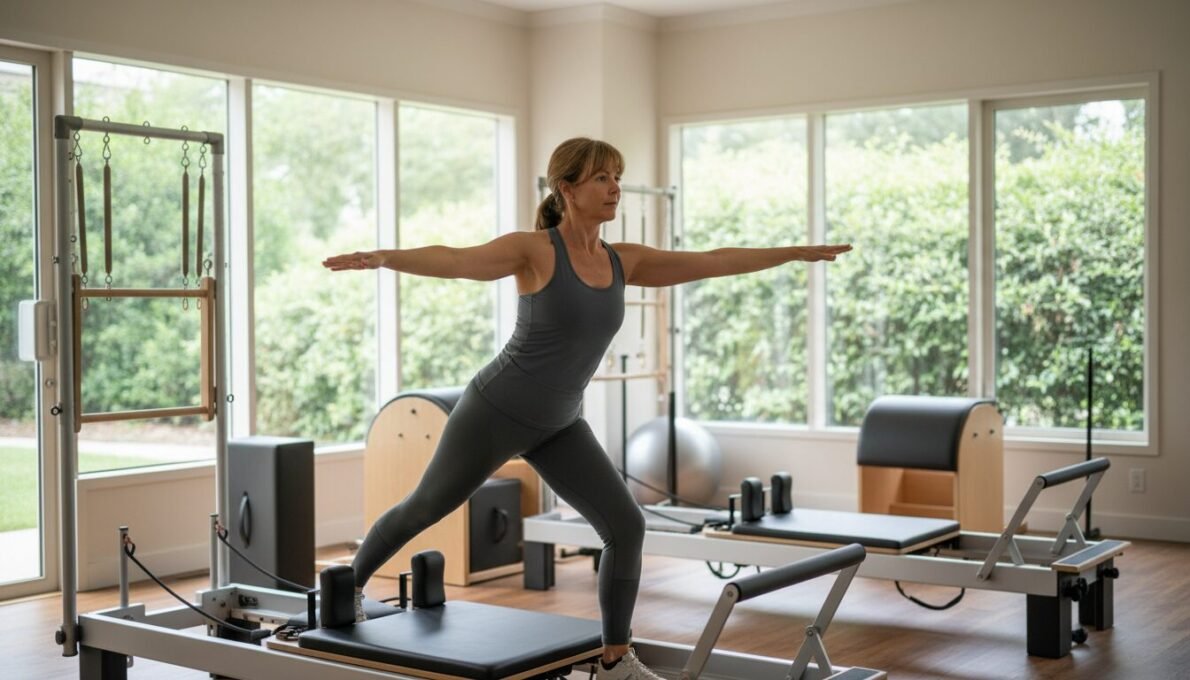
Traditional mat based Pilates has evolved into dynamic, equipment-based sessions. The Reformer machine provides resistance and support for precise movement.
Hybrid formats are now commonplace in studios everywhere. These fusion sessions blend mindful principles with cardio or resistance training.
They deliver comprehensive conditioning without high-impact joint stress. This variety keeps participants engaged while building functional strength.
Trainers skilled in these blended modalities are in high demand. They create experiences that yield well-rounded results for enhanced performance.
Low-Impact Strength and Injury Prevention Benefits
The controlled nature of this method builds strength safely. It emphasizes alignment and postural awareness above all else.
This focus makes it a powerful tool for preventing common injuries. Programs are designed to correct imbalances and support the entire body.
It offers an accessible path for diverse populations. Those managing recovery or chronic conditions find it particularly sustainable.
The rise of this paradigm proves that smart training beats extreme intensity. It provides a foundation for activity that lasts a lifetime.
Strength, Recovery, and Community in Modern Workouts
The latest fitness report reveals a simple truth: people join a gym for health, but they stay for the relationships they build there. This triad strength, recovery, and community now defines the modern exercise experience.
The Role of Group Classes and Community Connection
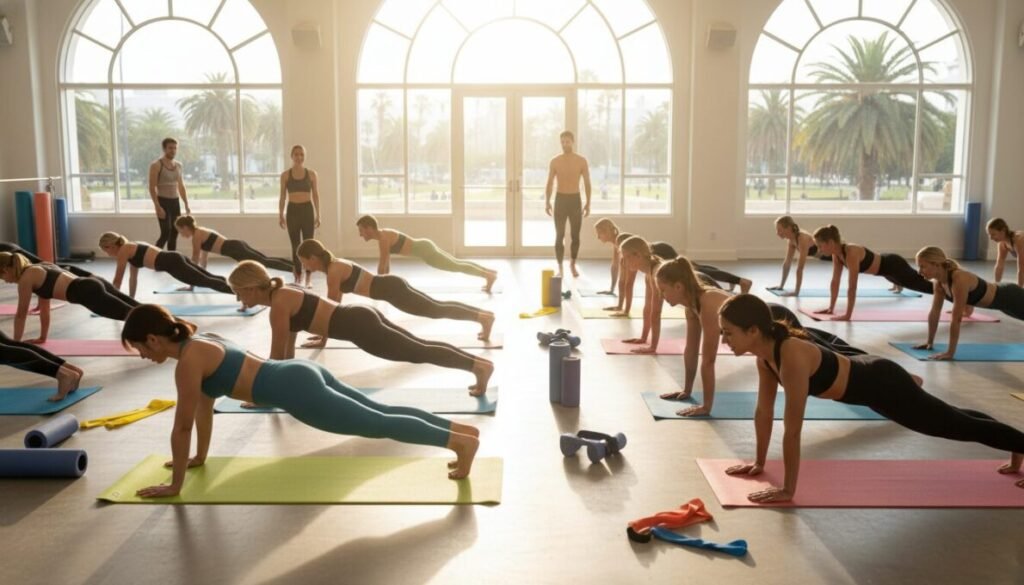
Group sessions directly combat loneliness. The rise of gym-based run clubs and training groups creates a powerful social fabric. Operators using these strategies see significant growth.
Data proves the retention power of shared experiences. Members who regularly attend studio classes stay 1.8 times longer than those who train alone.
Demand for building strength remains high, but the approach has evolved. It’s no longer just about lifting weights on the floor. Formats like yoga and circuits build power through varied, accessible movement.
Clubs are adapting by creating studio-based strength programs. New offerings use expert instructor guidance and group energy to remove intimidation. This makes weightlifting safe and effective for everyone.
Recovery-focused offerings balance these intense sessions. This holistic approach supports long-term participation. It prevents burnout and fosters a supportive environment where members thrive together.
Digital Innovations Transforming Fitness Experiences
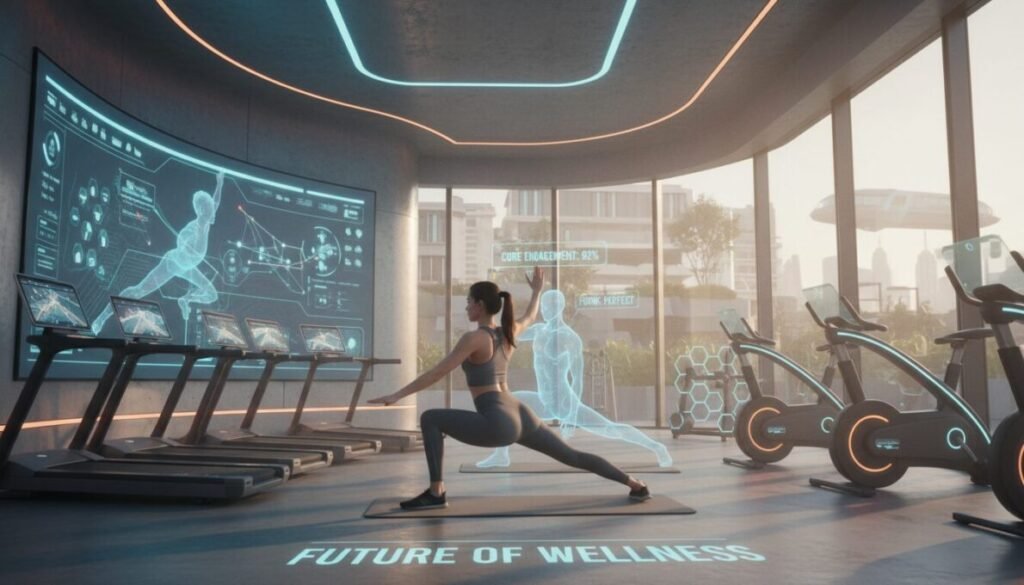
The next wave of fitness innovation is deeply personal, driven by artificial intelligence and advanced data modeling. This technology customizes every element of your routine.
It transcends generic plans, delivering hyper-personalized programs that optimize performance and recovery with unprecedented precision.
Integrating Digital Twins with Traditional Training
Originating from NASA, digital twin technology now builds a virtual replica of your body, drawing on data from wearables, lab results, and meal logs.
This twin continuously tracks physiological metrics like heart rate and beyond, simulating outcomes to deliver real-time, data-driven guidance on training and nutrition.
Companies such as Twin Health collaborate with platforms like Peloton to offer hyper-personalized workout recommendations powered by ongoing monitoring. The Gym Twin platform empowers facility operators with smarter decisions, creating a 3D digital replica of the club to optimize space, equipment, and layout planning.
Above all, this technology complements rather than replaces traditional approaches, amplifying the human connection central to studio training.
AI Smart Coaching and Data-Driven Workout Optimization
AI smart coaching represents a fundamental change in how people approach their workouts. Intelligent systems analyze movement patterns and daily energy levels.
They adjust programs in real time based on your recovery data. This removes the guesswork from fitness programming.
You train based on your body’s actual responses, not a generic plan. This way of optimizing effort supports sustainable training habits.
From wearable-integrated systems to platforms like Apple Fitness+, AI coaching democratizes personalized guidance. It makes expert-level programming accessible without high-cost one-on-one coaching.
These advancements are central to the current fitness trends, blending tech insights with the accountability of community.
Longevity Training: Balancing Movement, Rest, and Recovery
The most effective routines for lifelong health blend gentle movement with intentional recovery. This approach builds a resilient body that thrives for decades.
Walking Yoga, Mobility Flows, and Heated Workouts
Walking has been redefined as serious cardio training. The 6-6-6 challenge structures it with warm-up, brisk pace, and cool-down phases.
Interval walking, or “Japanese walking,” alternates speeds for low-impact benefits. Search interest in this method has exploded.
Walking yoga combines steady steps with mindful motions. It delivers mobility and mental clarity in one session.
Heated strength and mobility classes use warmth to boost circulation. This makes workouts feel easier and supports consistency.
| Aspect | Traditional Cardio | Longevity-Focused Movement |
|---|---|---|
| Primary Focus | Calorie burn, speed | Joint health, sustainable stamina |
| Intensity | Often high-impact | Adaptive, low-impact options |
| Recovery View | Optional or minimal | Essential for progress |
| Accessibility | May require equipment | Often needs only body weight |
Sustainable Practices for Lifelong Health
True longevity programs prioritize bone density and balance. They pair strength training with dedicated mobility work.
Recovery is treated as non-negotiable, not lazy. This balanced programming attracts all ages and fitness levels.
These sustainable practices remove common barriers to exercise. They create routines people love and can maintain for life.
Conclusion
The defining characteristic of current fitness trends is intelligence. Workouts now adapt to real lives, real bodies, and individual goals. The future is clear: physical culture is becoming more human.
The best workout is not the hardest one. It is the routine you will still be doing a year from now. This approach prioritizes long-term health and sustainable movement.
Modern gym studios and clubs evolve into wellness hubs. They support members with strength training, recovery, and community connection. Digital innovations provide personalized guidance for all levels.
This comprehensive shift values enjoyment and intelligent design. It represents a new way of living well for life.