

Superfoods to Add to Your Diet Today
This guide Superfoods to Add to Your Diet Today highlights simple, nutrient-dense foods that deliver real functional benefits like better energy, gut health, heart support and sustained focus without relying on hype or drastic changes.
The modern approach to “superfoods” emphasizes whole or minimally processed options with clear, repeatable advantages: high nutrient density (fiber, healthy fats, antioxidants, protein), accessibility in everyday stores, and easy ways to incorporate them into meals.
No miracles here—just small, sustainable additions that upgrade your eating patterns over time. Expect everyday staples like quality fats, fiber-rich basics, nuts, mushrooms, fermented items, natural boosters and colorful produce.
Each suggestion includes easy swaps, label tips and realistic portions to make healthy eating feel effortless and enjoyable.
Key Takeaways
- Prioritize nutrient-dense whole foods over fleeting trends
- Focus on fiber, healthy fats, plant-based protein and gut-friendly options.
- Small, consistent additions outperform extreme diet changes.
- Look for minimal processing, recognizable ingredients and balanced portions on labels.
- These choices support long-term wellness through better digestion, energy and overall vitality.
What “Superfood” Means today: Real Food, Functional Benefits, Fewer Fads
Think patterns, not promises. A true superfood today is an everyday ingredient that adds measurable value, nutrient density, antioxidants, fiber or healthy fats when included regularly in a balanced diet.
Trendy items can help if they guide you toward more vegetables, whole grains and real meals. Use them as gateways to improve overall eating habits, not as standalone solutions.
What to look for
- High fiber, quality protein and healthy fats first.
- Low added sugars and minimal additives.
Practical rules:
- Choose foods most people would recognize as “real” (your grandparents likely would too).
- Use modern fortified options only to fill gaps, and introduce changes gradually with plenty of water.
- Emphasize quality over quantity: cleaner labels, realistic portions and repeatable habits for lasting results.
Superfoods Trending today: What to Add Now
Current upgrades favor evidence-backed choices that enhance flavor, nutrition and ease without complexity.
Quick snapshot: premium oils, fiber-forward staples, pistachios, natural energy options, fermented additions, citrus varieties and swicy (sweet-spicy) flavors. These help make meals more appealing, sustainable and nutrient-rich.
Olive Oil as a Modern Superfood Fat: Heart-Healthy Flavor That Does More
Olive oil has evolved into an intentional ingredient that boosts taste while supporting better fat choices and heart health. People now seek higher-quality versions with bold notes and natural antioxidants.
How to use finishing oils vs everyday EVOO for meals and vegetables
- Use robust everyday extra-virgin olive oil (EVOO) for sautéing or roasting at medium heat.
- Choose bolder, high-polyphenol finishing oils for drizzling on salads, soups, steamed vegetables or finished dishes to maximize flavor and benefits.
What “polyphenols” signal on labels and why antioxidant levels matter
Polyphenols are natural antioxidants in olives. Higher levels often mean a peppery or bright taste and link to better heart markers when replacing less healthy fats.
Easy additions
Small moves make a difference: drizzle oil over roasted roots, swirl into soups, or dip whole-grain bread with herbs. Swap sprays like Colavita Garlic EVOO Spray for nonstick convenience while keeping olive oil as the main fat.
Occasional snack picks: look for chips or popcorn made with EVOO (Boulder Canyon, Khloud) as treats, but prioritize whole-food meals for steady health gains.
| Use | Recommended Oil | Why it works |
|---|---|---|
| Sautéing & roasting | Everyday EVOO | Stable at medium heat; balanced flavor |
| Finishing & dipping | High-polyphenol/finishing oils | Bold notes; more antioxidants |
| Convenience swap | Infused sprays & single-serve shots | Easy portion control |
| Snack option | EVOO-cooked chips/popcorn | Occasional treats with healthy fat |
Fiber for Gut Health and Heart Health: Whole Foods First, Drinks Second
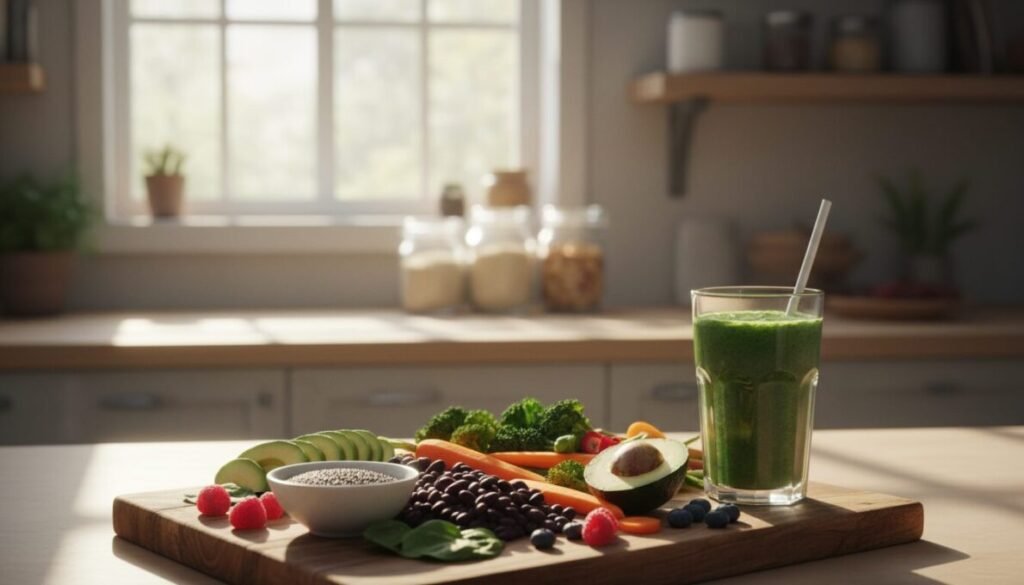
Fiber remains a simple, powerful tool for digestion, stable blood sugar, lower cholesterol and microbiome support.
Smart ways to increase intake: Prioritize whole sources as beans, lentils, berries, vegetables, nuts and whole grains. Use fortified drinks or bars only as backups.
How to increase fiber without discomfort
Increase slowly over 1–2 weeks.
Spread fiber across meals instead of one big serving.
- Drink more water simultaneously.
Quick picks: frozen berries, canned beans, bagged salads, quick oats. For fortified items, aim for 3–5 g fiber per serving with simple ingredients like inulin or psyllium.
When to be cautious: If you have GI conditions or plan a major change, consult a dietitian before a big increase.
| Goal | Best Whole-Food Sources | Fortified Product Cues |
|---|---|---|
| Regular digestion | Beans, lentils, berries, oats | Inulin, psyllium; 3–5 g/serving |
| Lower LDL | Oats, barley, legumes | Minimal added sugar; soluble fiber |
| Steady blood sugar | Whole grains, nuts, vegetables | Short ingredient list |
Pistachios, Nuts, and Seeds: Plant-Based Protein With Crunch and Color
Pistachios offer vibrant green color, satisfying protein, fiber and healthy fats. Pistachios provide near complete plant protein, antioxidants and crunch that make meals feel fuller. Pair with walnuts or chia for extra omega-3s.
Snack-to-meal ideas
- Pistachio butter on whole-grain toast or stirred into yogurt with berries.
- Crushed pistachios as a salad topper or mixed into granola for extra crunch.
- Savory weeknight recipes: pistachio pesto, nut-crusted fish or chicken, and pistachio “crumbs” over roasted vegetables.
Choose nuts plus salt is often enough. Remember: nuts are calorie-dense, so pair a portion with fruit or veggies for a balanced plate and lasting health benefits from this easy pantry addition.
Mushrooms Everywhere: From Immune-Supporting Foods to Functional Sips
Mushrooms are showing up across menus and mugs because they blend kitchen flavor with practical immune support.
Why they’re popular
Consumers chase “food as medicine,” and mushrooms answer both taste and resilience. Shiitake and oyster varieties supply beta-glucans and antioxidants that help modulate the immune system and support overall body resilience.
Expect earthy, slightly bitter, umami notes that pair well with coffee, matcha, chai, hot chocolate, and savory broths.
Whole foods vs. sips
Whole mushrooms add fiber and direct nutrition to vegetables, soups, and grain bowls. Drink mixes offer convenience but check caffeine and sweeteners and treat them as an option rather than a must-have.
- Easy meal templates: sheet-pan vegetables with mushrooms; mushroom barley soup; grain bowls with sautéed shiitake; mushroom rich pasta sauces.
- Prep tip: buy pre-sliced mushrooms or batch-cook a pan to use across several dishes during the week.
Fermented Foods Reimagined: Probiotics, Flavor, and Better Digestion
A steady portion of cultured food can add lively taste while supporting digestion and microbiome variety. Diets higher in fermented items raised gut microbe diversity and cut inflammatory markers. That mix of bold flavor and measurable health outcomes keeps fermentation high on many shopping lists.
Core staples to recognize
- Kefir: blend into smoothies or use as a tangy pour-over for oats.
- Kimchi: a side for rice bowls or scrambled eggs.
- Sauerkraut & miso: stir into soups, dressings, or sandwiches.
- Kombucha: a fizzy, low-sugar sip with probiotic potential.
Formats worth trying
Newer options like fermented pickles or hot sauces make it easy. Aim for one small serving daily.
| Goal | Easy Option | How to use |
|---|---|---|
| Daily variety | Kefir | Smoothies, overnight oats |
| Bold flavor | Kimchi/kraut | Rice bowls, sandwiches |
| Condiment swap | Fermented hot sauce/olives | Topping for eggs, beans, salads |
Dietitian caution: people sensitive to histamines, sodium, or carbonation should start small and choose lower-sodium options.
Leafy Greens, Berries, and Colorful Vegetables: The Foundational Superfoods That Still Win
Leafy greens like kale and spinach pack vitamin K and iron into small portions. Add a handful to an omelet, soup, or sandwich for a daily micronutrient boost. Bagged greens make this an easy habit at home.
Mixed berries are rich in anthocyanins, antioxidants linked with improved brain health and some heart benefits. Toss frozen berries into smoothies or oatmeal to keep preparation fast and nutrient-dense.
Sweet potatoes supply beta-carotene (vitamin A) and vitamin C. Beets offer nitrates and betalains that support circulation and vigor. Roast them as a sheet-pan side or microwave a whole sweet potato for an easy meal.
Meal-prep shortcuts that work
- Frozen berries for smoothies and desserts.
- Bagged greens for salads or quick sautés.
- Microwaveable sweet potatoes and pre-roasted beets for fast sheet-pan meals.
| Goal | Best Picks | Quick use |
|---|---|---|
| Daily micronutrients | Kale, spinach | Stir into eggs or soups |
| Brain health & antioxidants | Mixed berries | Smoothies, yogurt, oats |
| Color & nutrient density | Sweet potato, beets | Roast, mash, or microwave |
Simple recipes repeatable each week: a berry smoothie (frozen berries, yogurt, greens), a sheet-pan roast (sweet potato, beets, onion, olive oil), and a salad kit upgrade (bagged greens, nuts, cooked beans).
Bottom line: trends will change, but vegetables and berries remain the backbone of better health and steady nutrition.
Protein Forward Superfoods and Meals: Legumes, and Fatty Fish
A protein forward approach pairs simple ingredients with balanced portions for practical healthy eating.
Legumes like lentils (≈8.8 g protein/100 g) and chickpeas (≈7.6 g/100 g) deliver both protein and fiber. They make weeknight meals satisfying: lentil soup, chickpea salads, sheet-pan chickpeas, or quick grain bowls fit many diets and save prep time.
Fatty fish and brain-supporting nutrients
Fatty fish like salmon and sardines are top sources of omega-3s, vitamin D, and high-quality protein. The American Hearth Society (AHA) recommends two servings per week for heart and brain benefits. Canned sardines are an easy pantry option for fast meals.
Flavor boosters that keep habits
Alliums garlic and onions bring allicin and quercetin and lift flavor with little cost. Small amounts of swicy sauces help healthy dishes stick without masking whole food benefits.
Conclusion
Small, repeatable grocery choices create the biggest impact for sustained health.
Start with quality fats like olive oil, fiber-rich basics, pistachios for protein, mushrooms and fermented sides for gut support, and colorful produce as the foundation.
Pick 1 to 2 items per category, build simple meals around them, and adjust gradually. Prioritize whole foods, watch portions and enjoy the process for lasting vitality.